

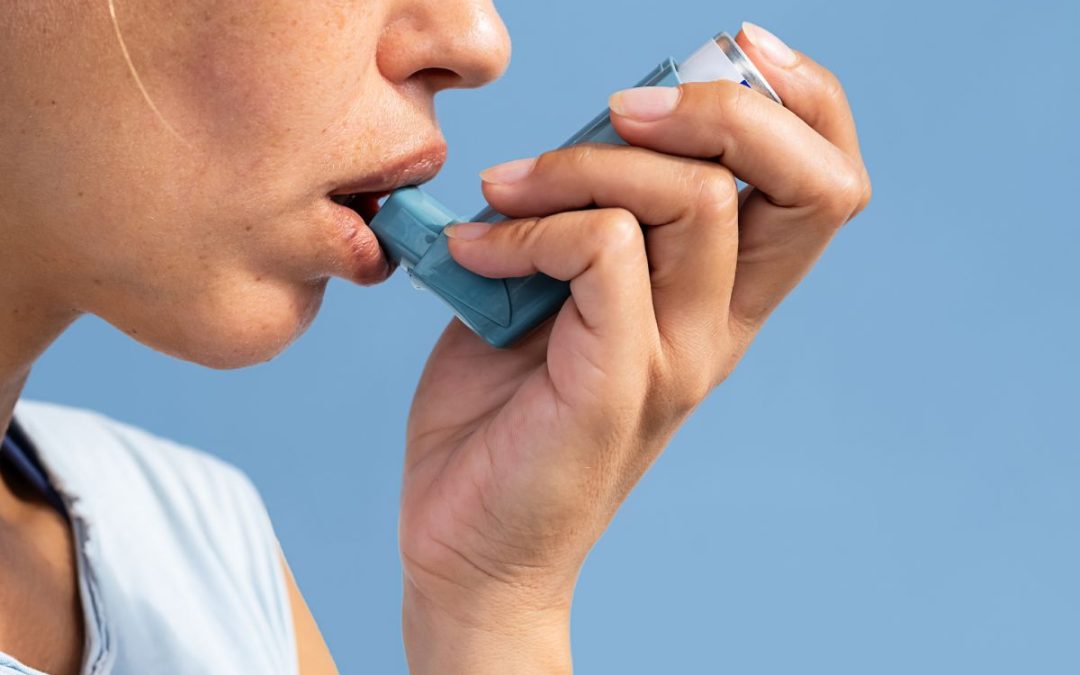
Here’s What the New Research Shows: Early-Life Air Pollution Linked to Higher Asthma Risk
A 2024 study published in JAMA Network Open has added to what scientists have long suspected: the air babies and young children breathe can shape their long-term respiratory health.
Researchers found that early exposure to fine particulate matter (PM₂.₅) and nitrogen dioxide (NO₂) – two of the most common outdoor air pollutants, was linked to a 15–30% higher risk of developing asthma during childhood.
Read the full study
What the Study Found
The research tracked more than 5,000 children across eight U.S. birth cohorts, following them through early and middle childhood. Children who grew up breathing higher levels of PM₂.₅ and NO₂ during their first three years of life were significantly more likely to develop asthma by ages 5 to 11.
- A 1 IQR* increase in NO₂ (6.1 µg/m³) raised asthma risk by about 22–25%.
- A 1 IQR* increase in PM₂.₅ (3.4 µg/m³) raised asthma risk by about 23–31%.
*IQR, or Indoor Air Quality Management, refers to the continuous monitoring and control of indoor air conditions using real-time data and smart purification technology to maintain healthy, clean air.
In short, even moderate increases in these pollutants during a child’s earliest years had measurable effects on whether they later developed asthma.
Why the First Three Years Matter
Early childhood is a critical window for lung and immune system development. During this time, airways are still growing, and the immune system is learning to regulate inflammation and respond to allergens. Exposure to pollutants like PM₂.₅ and NO₂ can interfere with these processes, leaving lasting vulnerabilities that increase asthma risk.
This study adds weight to a growing body of research showing that air quality early in life can have lifelong consequences, a reminder that clean air isn’t just about comfort; it’s about prevention.
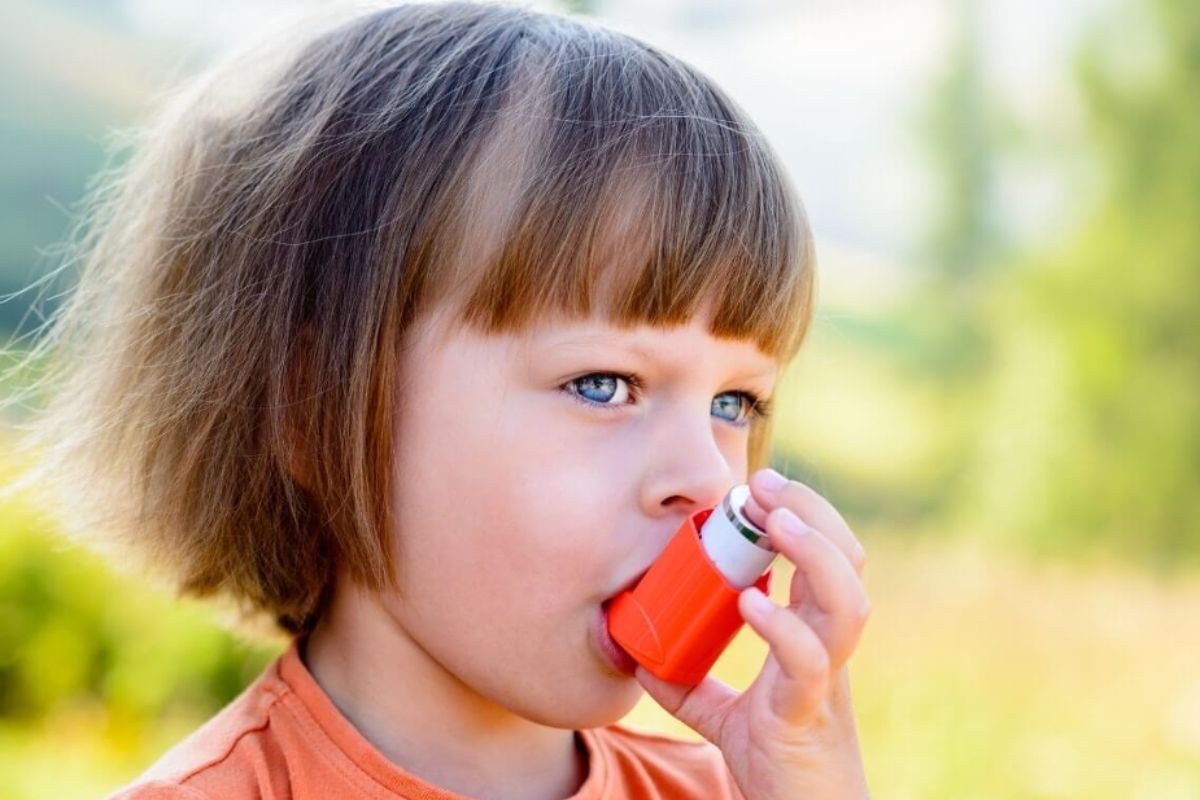
What This Means for Indoor Air
While the study focused on outdoor pollutants, it highlights an important point: most people, including infants and children, spend over 90% of their time indoors. Outdoor pollution doesn’t stay outside. It seeps in through ventilation systems, windows, and doors, and can combine with indoor sources like cooking, cleaning products, and building materials.
That’s where technology like PuriFi’s whole-building air purification systems come in. By continuously monitoring and actively purifying indoor air, PuriFi systems help neutralize VOCs and other airborne irritants, providing a cleaner environment for families, schools, and childcare centers.
The Takeaway
This new research underscores what we at PuriFi believe at our core:
- Clean air isn’t a luxury, it’s foundational.
By addressing indoor air quality, we can help better protect the most vulnerable among us, starting from the very beginning of life.
To learn more about how PuriFi’s active air purification technology can make a difference in your home, school, or business, visit purifilabs.com.
