

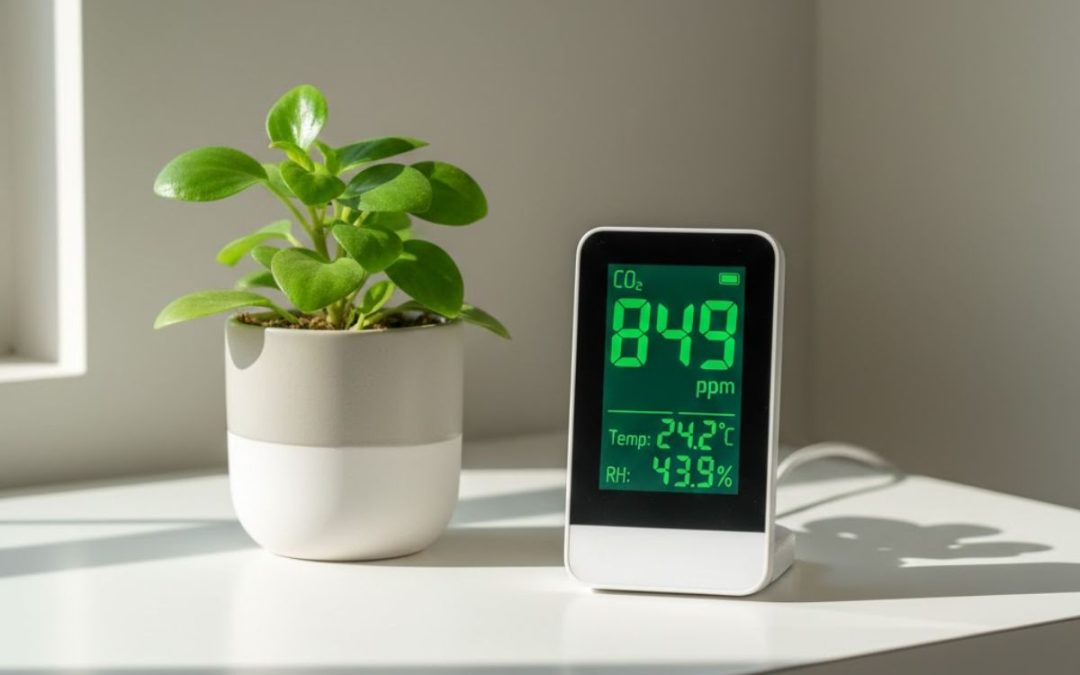
AQI 101: What It Is and Why It Matters
When you check your weather app and see something like “AQI: 143 Unhealthy for Sensitive Groups,” you may wonder: what does that number really mean? And more importantly — should you be concerned? Let’s break it down.What Is AQI?
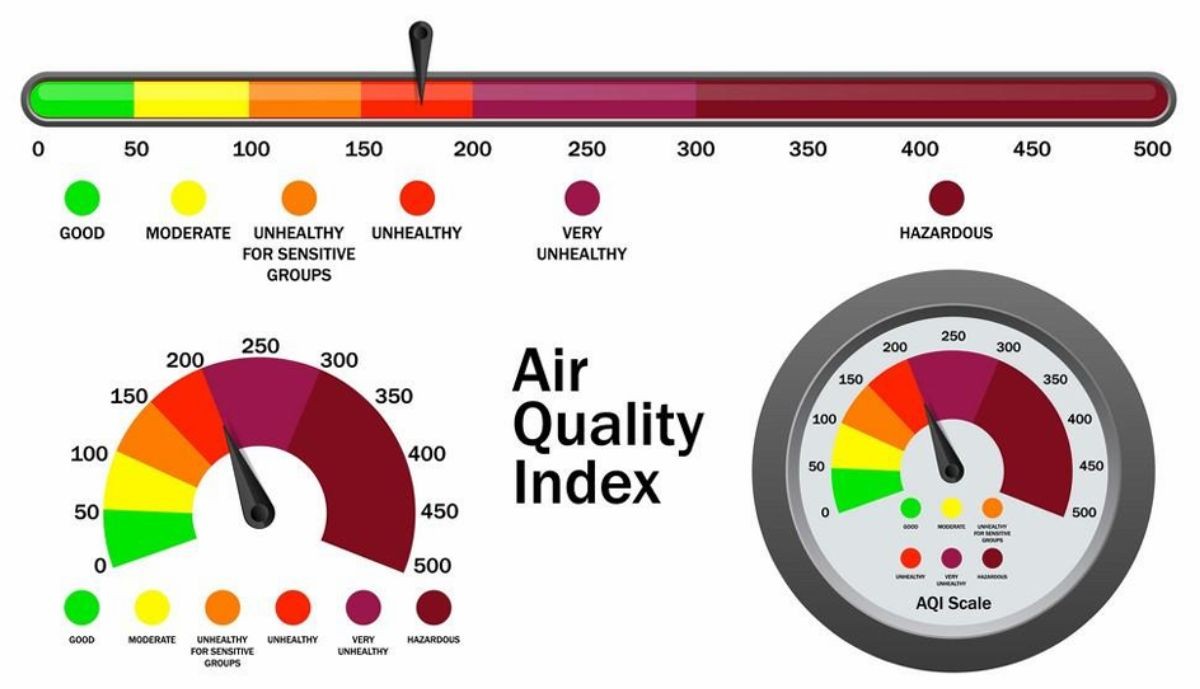
AQI stands for Air Quality Index, a standardized system used to measure and report the quality of the air we breathe. It gives you a snapshot of how clean or polluted the air is, using a scale from 0 to 500 — the higher the number, the worse the air quality. The index primarily tracks five major air pollutants:- Particulate Matter (PM2.5 & PM10)
- Ground-level Ozone (O₃)
- Carbon Monoxide (CO)
- Sulfur Dioxide (SO₂)
- Nitrogen Dioxide (NO₂)
What Do the Numbers Mean?
| AQI Range | Air Quality | What It Means |
|---|---|---|
| 0–50 | Good | Air quality is considered healthy and safe for everyone. |
| 51–100 | Moderate | Acceptable, but may be a concern for sensitive individuals. |
| 101–150 | Unhealthy for Sensitive Groups | Older adults, children, and people with asthma or respiratory conditions should limit exposure. |
| 151–200 | Unhealthy | Everyone may begin to feel effects; sensitive groups may experience more serious symptoms. |
| 201–300 | Very Unhealthy | Health alerts issued; entire population at risk of adverse effects. |
| 301–500 | Hazardous | Emergency conditions. Everyone should avoid outdoor exposure. |
Why AQI Matters — Indoors and Out
We tend to associate AQI with outdoor air quality, but here’s the catch: indoor air can be 2 to 5 times more polluted than outdoor air, especially when buildings are sealed for temperature control or poorly ventilated.
And AQI doesn’t always reflect what’s happening inside your home, school, or workplace — where we spend over 90% of our time.
That’s why indoor air quality (IAQ) matters just as much — if not more — for your health.
The Health Impacts of Poor Air Quality
Poor air quality has been linked to:- Increased asthma and allergy symptoms
- Reduced lung function and respiratory infections
- Irritation of the eyes, nose, and throat
- Fatigue, headaches, and difficulty concentrating
- Long-term exposure risks including heart disease and stroke
How PuriFi Helps
At PuriFi, we believe everyone deserves to breathe clean, healthy air — not just outside, but inside the places that matter most. Our advanced air purification systems:- Actively remove particulate matter (PM2.5, PM10)
- Neutralize VOCs, allergens, mold spores, and odors
- Inactivate airborne viruses and bacteria
- Monitor air quality in real time, so you always know where you stand
